Register now for “Rethinking First & Last Mile: Transit-Driven Complete Streets”
The National Complete Streets Coalition is excited to continue our monthly webinar series, designed to help professionals from a variety of disciplines put Complete Streets principles into action. Implementation & Equity 201: The Path Forward to Complete Streets is exploring a new issue each month related to creating safer, healthier, more equitable streets.

Our next webinar in the series, Rethinking First & Last Mile: Transit-Driven Complete Streets will take place on Thursday, June 29, 2017 from 1:00-2:00 PM EDT. Speakers from Michael Baker International and the American Public Transportation Association will join the Coalition in answering questions such as: How can transit-driven Complete Streets provide vital connections to address the first/mile last mile problem? And how can transit agencies take on a more active role in Complete Streets design and implementation? This webinar will explore examples of how the Jacksonville Transportation Authority leveraged its transit system redesign to promote improved connectivity through Complete Streets. Speakers will rethink the concept of first mile/last mile on a granular scale, exploring what kinds of infrastructure are needed to provide safe, convenient transportation choices for transit-dependent communities. Registration is now open—we hope you’ll be able to join us.
Complete Streets

How Bluefield, WV and Weirton, WV are using Cool & Connected ideas to help their economic development

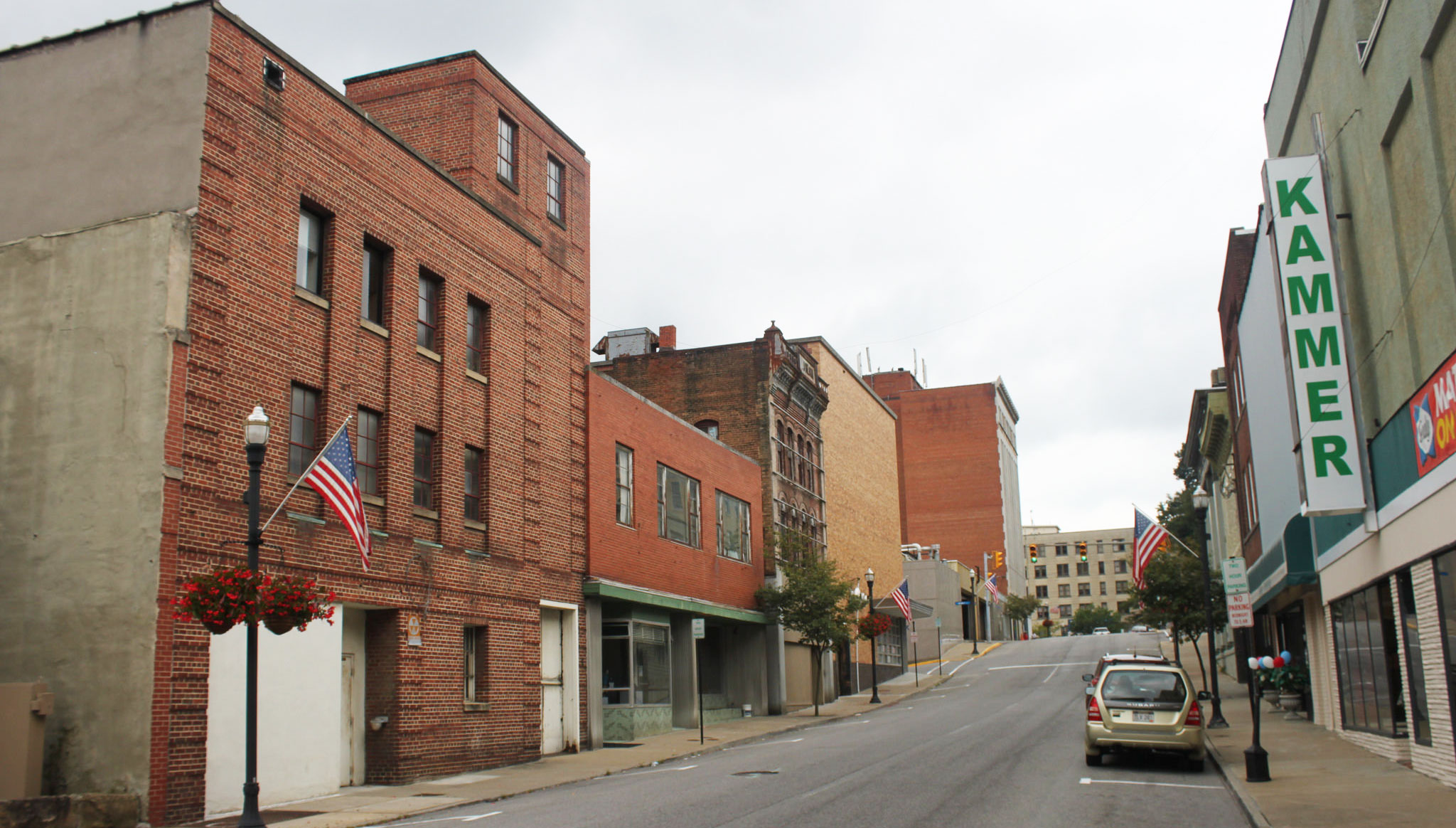
Downtown Bluefield, WV. Photo by Joseph via Flickr.

Earlier this year we joined the U.S. Department of Agriculture Rural Utilities Service, the Environmental Protection Agency, and the Appalachian Regional Commission to start delivering Cool & Connected technical assistance, a workshop series designed to help rural communities find new economic opportunities by leveraging investments in broadband, or reliable, high-speed internet access.

Uncategorized

Webinar recording: “The Best Complete Streets Policies of 2016” kickoff discussion

Last week, the National Complete Streets Coalition released The Best Complete Streets Policies of 2016, our annual review of the best Complete Streets policies of the last year. As of the end of 2016, more than 1,200 jurisdictions in the United States have made formal commitments to streets that are safe and convenient for everyone—no matter … Continued

Complete Streets

Announcing the Best Complete Streets Policies of 2016

As of the end of 2016, more than 1,000 jurisdictions in the United States have made formal commitments to streets that are safe and convenient for everyone—no matter their age, income, race, ethnicity, physical ability, or how they choose to travel—by passing a Complete Streets policy. Specifically, 13 communities led the nation in creating and adopting comprehensive Complete Streets policies last year.

Complete Streets

So your city wants to uphold the Paris agreement

President Trump withdrew from the Paris Agreement on June 1st, and since then more than 211 U.S. mayors have pledged to uphold it despite the president’s action. Together the mayors represent more than 54 million Americans and some of the largest U.S. cities.

To these mayors we say: thank you for your leadership. We support you and this strong commitment to reducing emissions at the city level. Keep going.

How should mayors keep going, exactly? The Mayors National Climate Action Agenda has already outlined several suggestions for how cities can achieve these goals, including things like investing in electric cars and clean energy.

We’re here to add that building compact, walkable neighborhoods served by transit is a crucial part of reducing emissions. Using this approach can help cities reach their emissions goals faster. Here’s why and how.

Advocacy Resilience

Thoughts from the road: Walkability in Knoxville

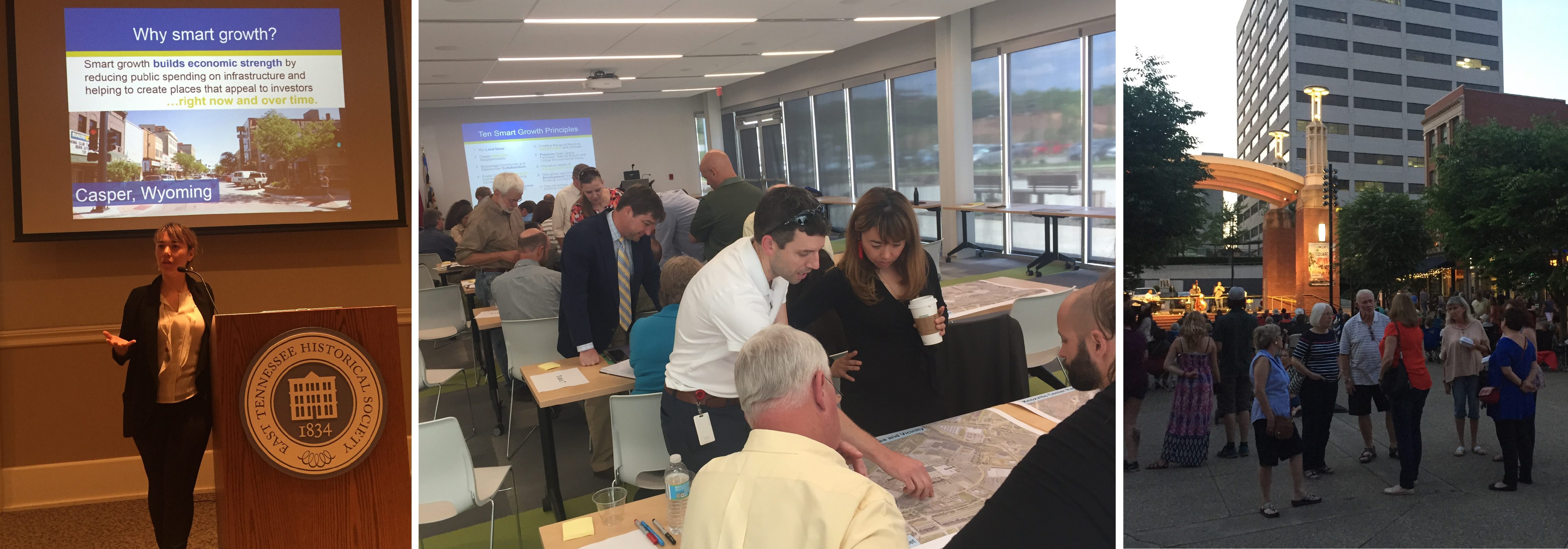
Last month, Complete Streets director Emiko Atherton traveled to Knoxville, Tennessee to speak in the Walkability Speaker Series, a series that highlights the benefits of walkability and explores strategies to cultivate more walkable environments. The series is a collaborative effort led by the Knoxville Regional Transportation Planning Organization with the support of East Tennessee Quality Growth, the Knoxville Area Association of Realtors, the Knoxville Chamber, and the Knoxville Chapter of the American Planning Association. Emiko and I were excited by the opportunity to scope out Knoxville and get to know some of the local champions of smart growth and walkability, since we’ll be back before too long as part of our Complete Streets Consortium Series.

Complete Streets

“Building Resilient States: Profiles in Action” webinar recording now available

Communities shouldn’t wait for a flood or a hurricane to see how land use choices will affect their ability to remain resilient in the face of disaster.

Many states and municipalities are already thinking strategically about how land use, transportation, and infrastructure decisions can help them prepare for and mitigate the impact of disasters. Building Resilient States: Profiles in Action, published by the Governors’ Institute on Community Design earlier this month, highlights local, regional, and statewide efforts to build more resilient communities from the ground up.

Resilience

Showcase your community to developers


The Local Leaders Council and LOCUS, Smart Growth America’s coalition of real estate developers and investors, are teaming up to match local leaders with developers to get smart growth projects built. Strong relationships are key—smart growth-minded local leaders must connect with developers and investors, in the right place, at the right time, to get the ball rolling.

Local Leaders Council LOCUS