Sprawl is on the naughty list
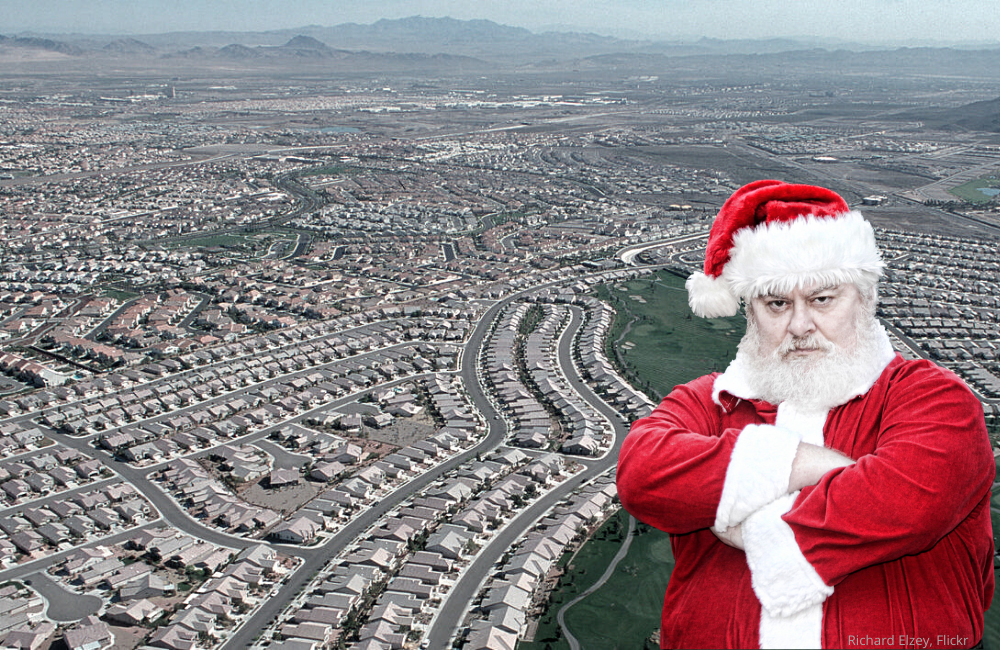
This is Santa. We need to talk. I just can’t stay silent anymore: Sprawl in America is really killing me and my Christmas Eve productivity.
This is Santa. We need to talk. I just can’t stay silent anymore: Sprawl in America is really killing me and my Christmas Eve productivity.
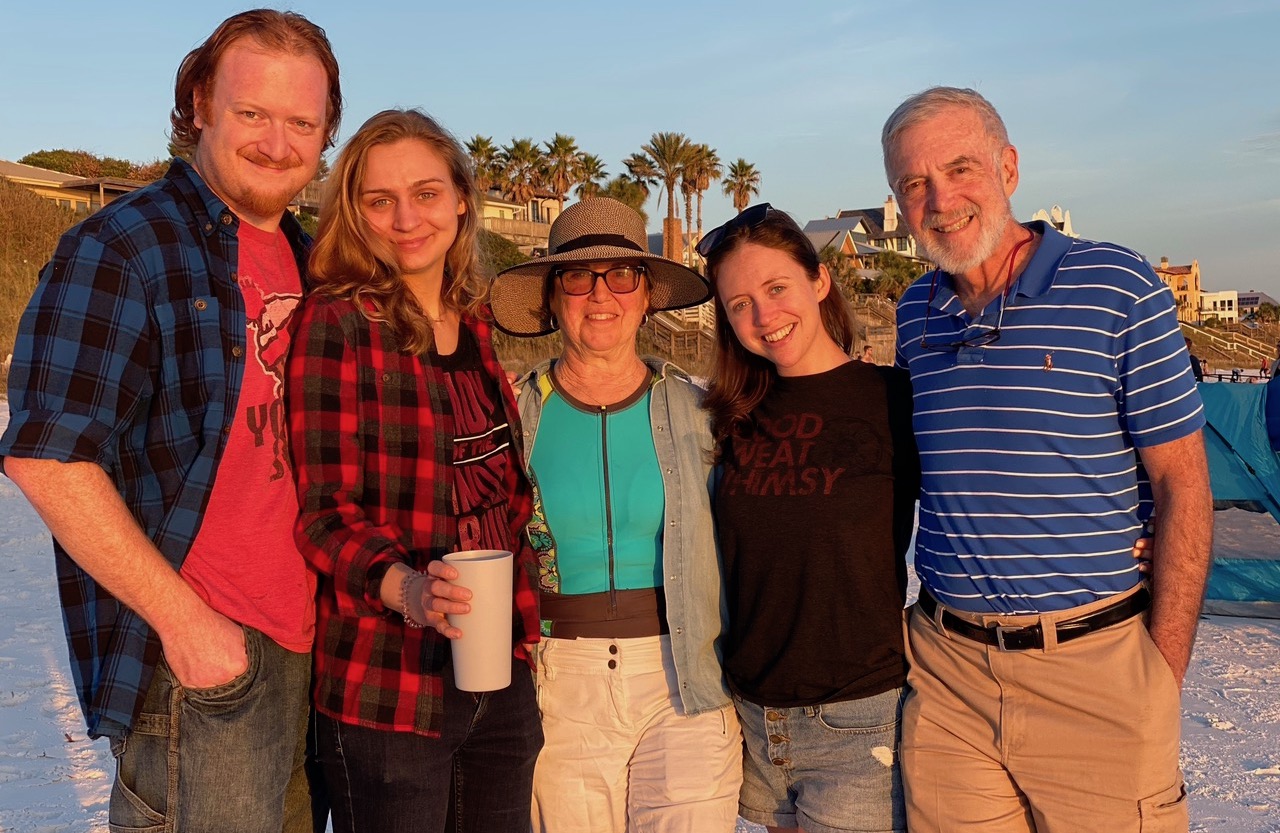
Raising children in the city could be considered somewhat novel in a country where the conventional wisdom dictates a move to the suburbs as a family grows. But one family in Washington, DC is glad they stayed in the city, which they believe offers benefits that suburbs often can’t replicate. The challenge is to ensure that more families can reap the same benefits from living and growing in a city.
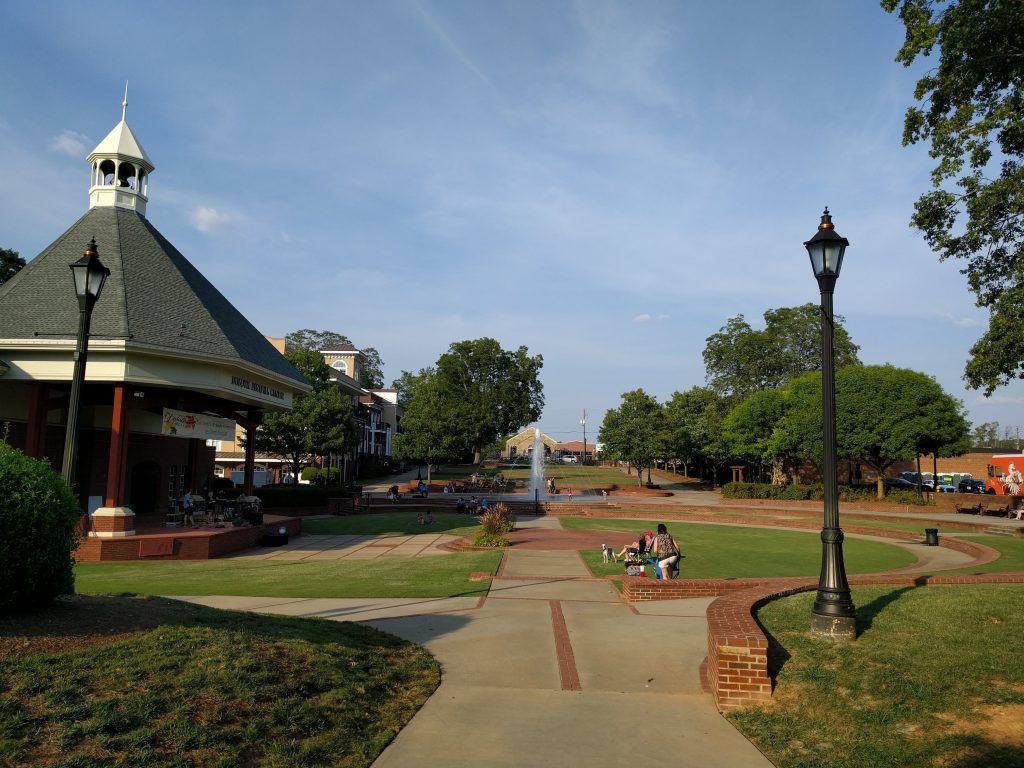
The notion of the suburbs is nestled deeply in the collective imagination in America, but as we wrote recently, “the suburbs of today aren’t necessarily the suburbs of yesteryear.” In a future that is increasingly urban, where suburbs are rapidly changing, what changes should they consider to stay prosperous and resilient?
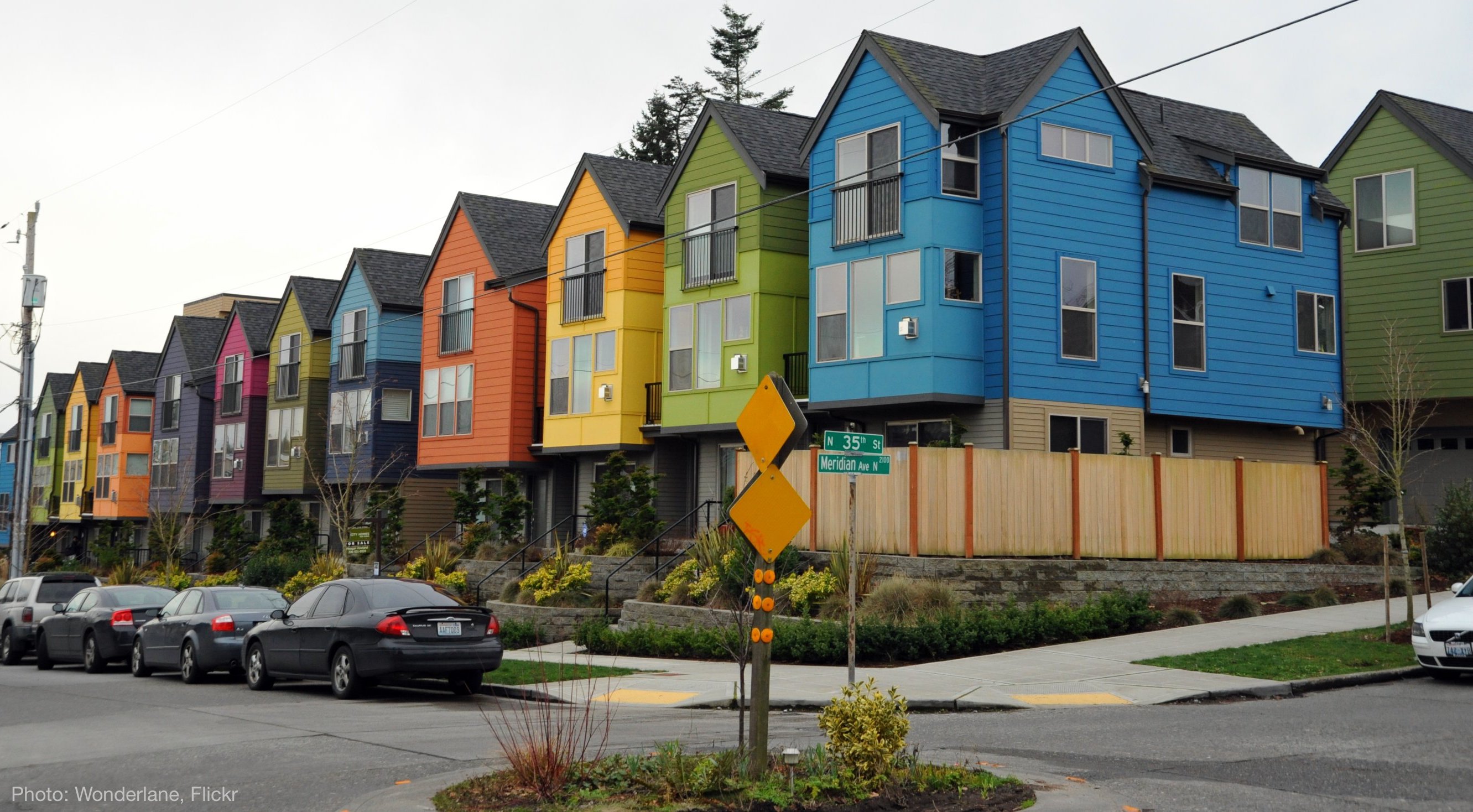
Our wish list this year is ambitious, but necessary. But we’re working hard to help realize this vision for communities across the country.
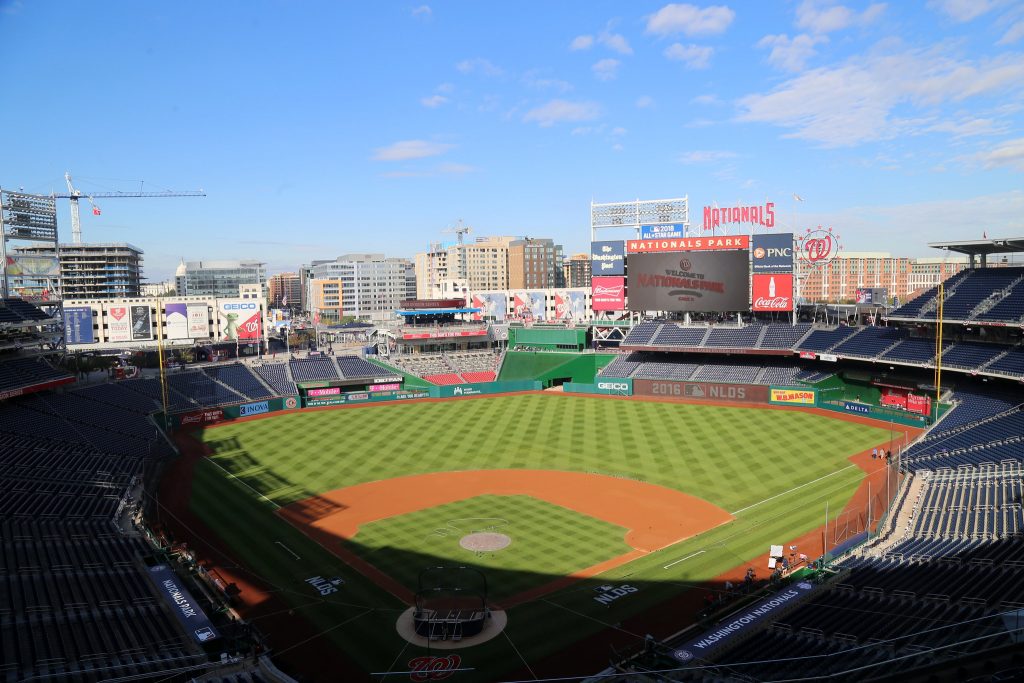
Here in Smart Growth America’s home of Washington, DC, the city is abuzz with World Series fever as game three gets underway tonight at Nationals Park near the Navy Yard area of the District of Columbia. This got us thinking: which Major League ballparks are in neighborhoods with development patterns most consistent with smart growth principles?
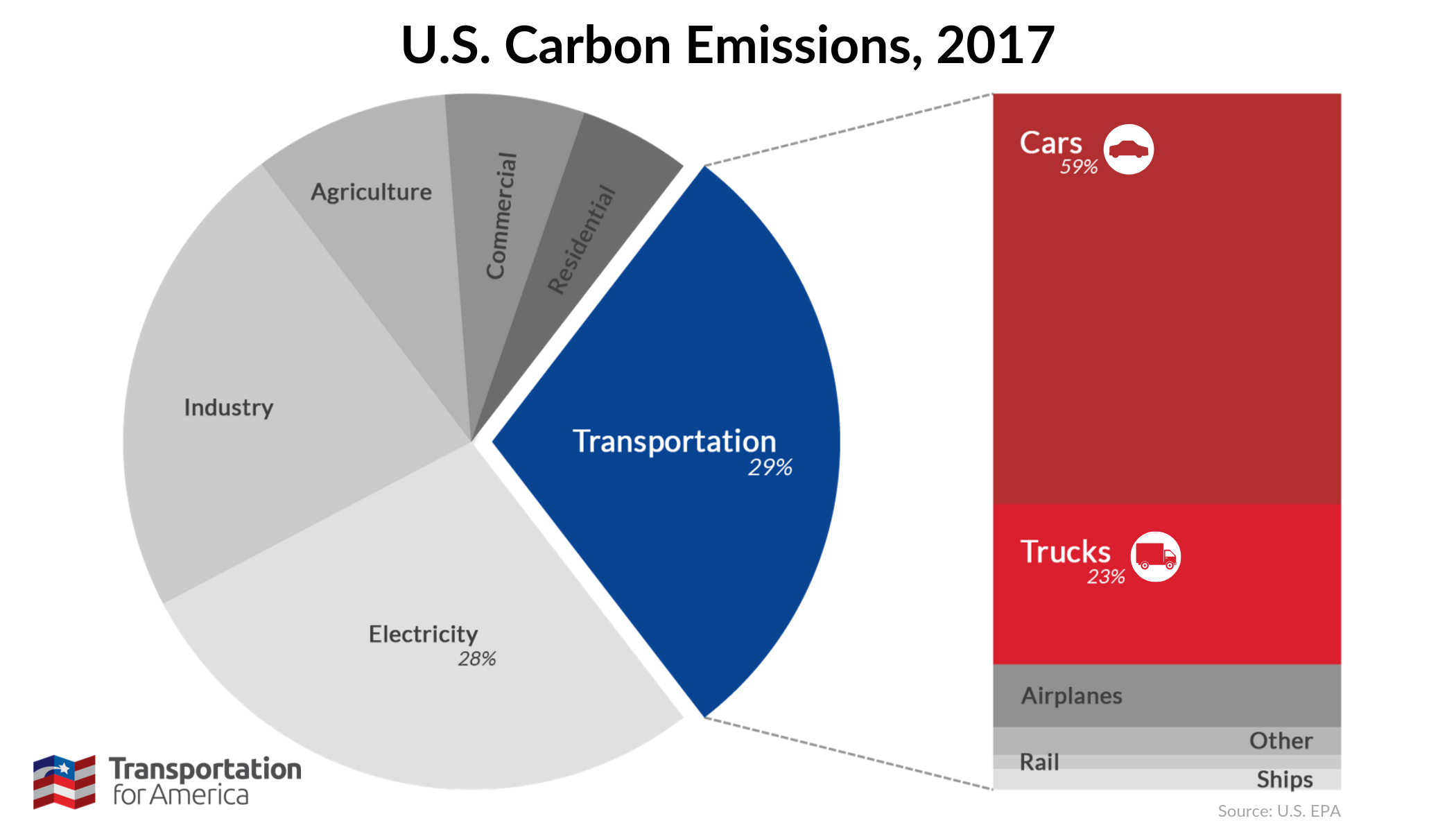
The conversation on climate change tends to focus on a few big things—electric vehicles, renewable energy, putting a price on carbon. But no matter how much progress we make on those fronts, Democrats and Republicans remain deeply committed to antiquated policy that undermines any action we take on climate change: spending billions to build new highways, encouraging more and more driving.
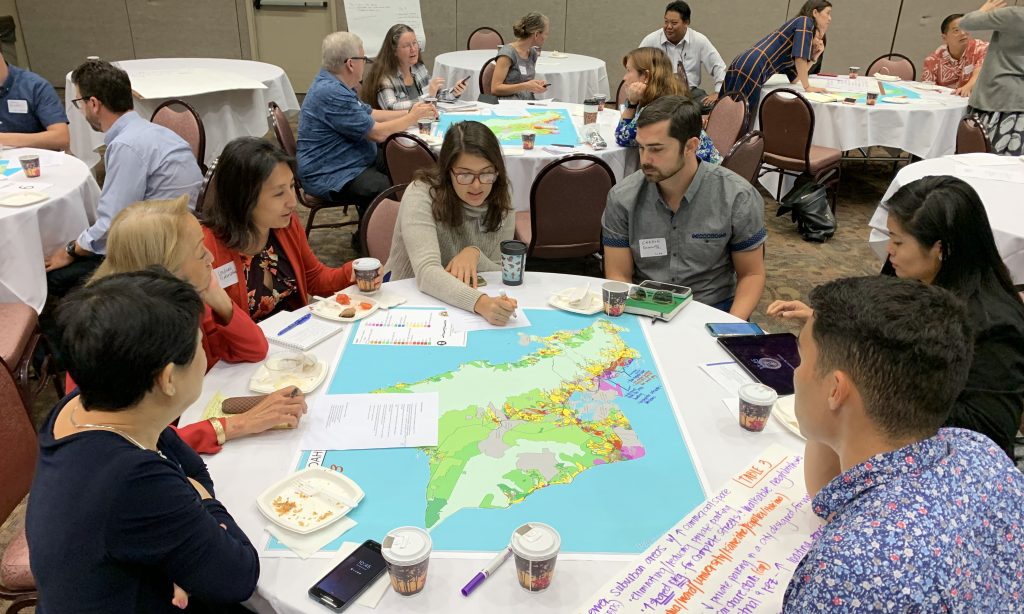
There’s a secret weapon available to communities that want to modernize their zoning codes and help make smarter growth the norm. FBCI’s Codes for Communities is a wide-ranging technical assistance program at Smart Growth America that covers all kinds of zoning reform and guidance on form-based codes. In just two years, the program has had tremendous impact in communities of all sizes across America.

As announced earlier this week, Marcus Young, a behavioral artist, will be embedded within the Minnesota Department of Transportation for a year serving as an artist-in-residence in a program created by Smart Growth America. Marcus will be taking a fresh look at the agency’s goals to promote economic vitality, improve safety, support multimodal transportation systems, and create healthier communities.
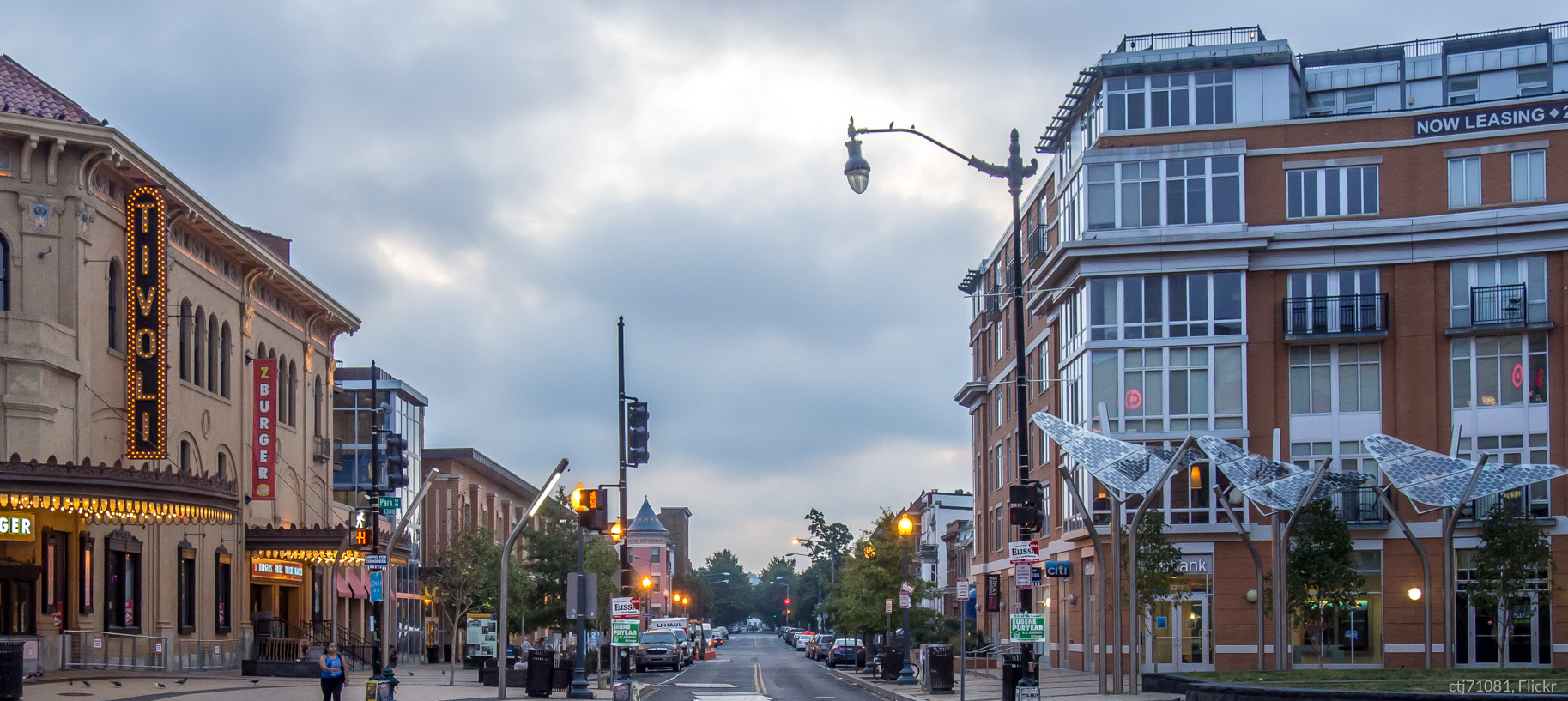 The popular narrative about younger generations aging and leaving urban centers is presented as inevitable. But most news stories fail to examine why many younger people are taking up residence in suburbia—or whether or not the suburbs they’re choosing have more in common with cities or the exurbs their parents preferred. Perhaps their move to the suburbs is more a product of constrained housing supply that leaves them with little choice but to decamp as they grow.
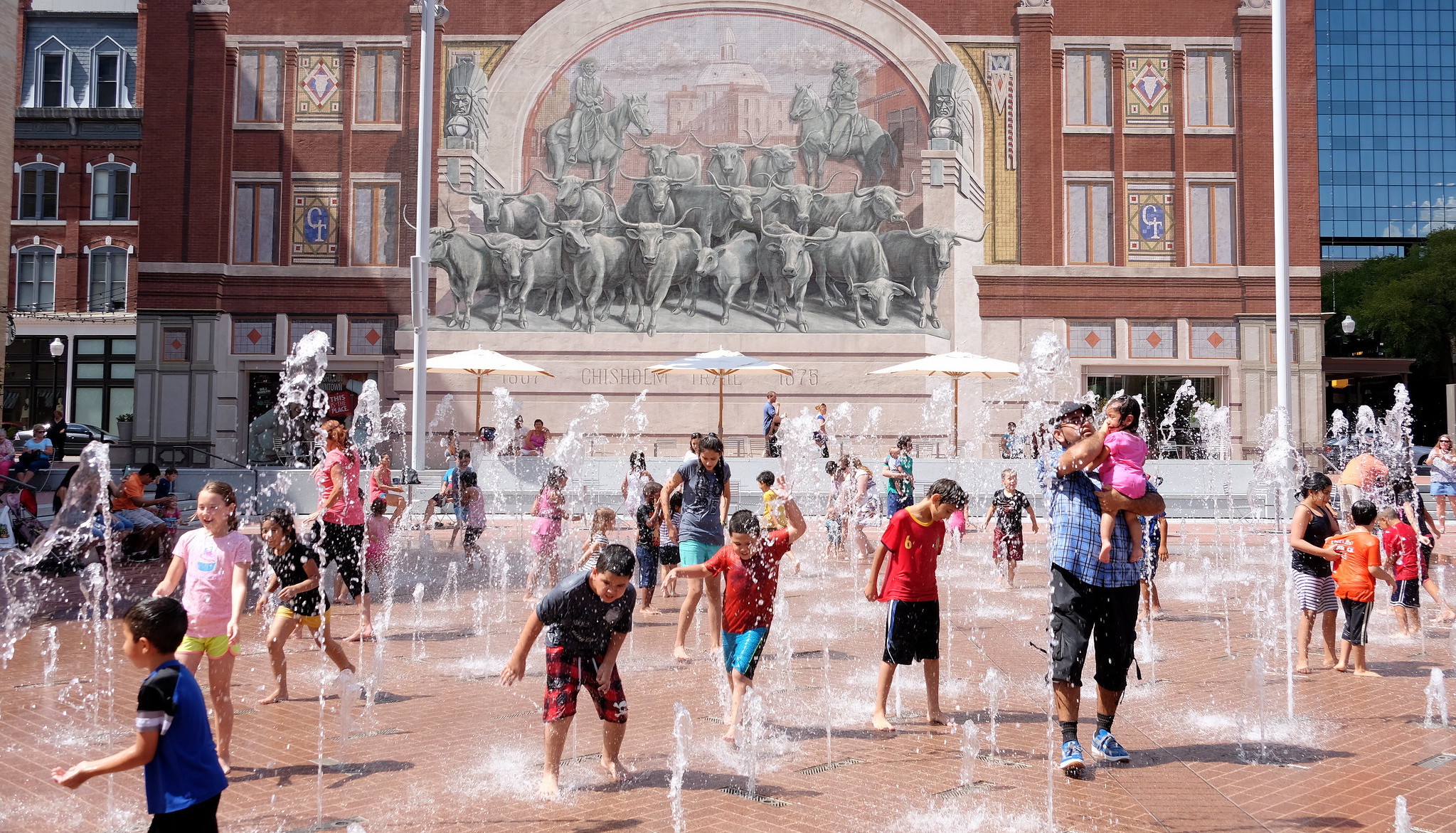
Smart Growth America/LOCUS today released Foot Traffic Ahead 2019, a report which ranks the 30 largest metros in the United States based on the percentage of office, retail and rental multi-family space each has in their walkable urban places. The report powerfully illustrates the price premiums investors and buyers are willing to pay to live or work in walkable, transit-connected neighborhoods—and why we urgently need to build more of them.